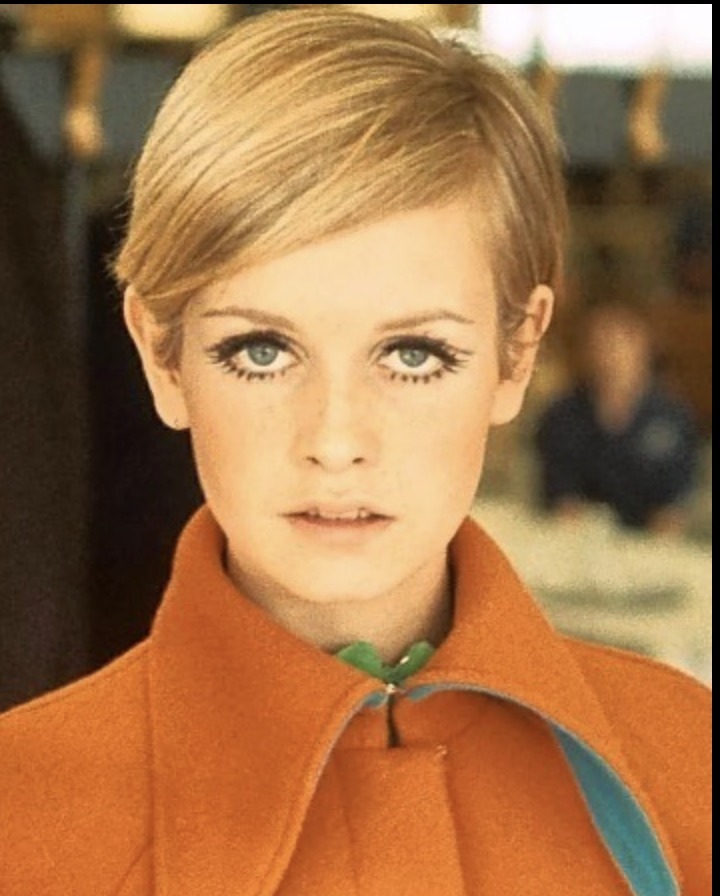
Known for her unforgettable look, Twiggy transformed the fashion world with a bold style that quickly became legendary.
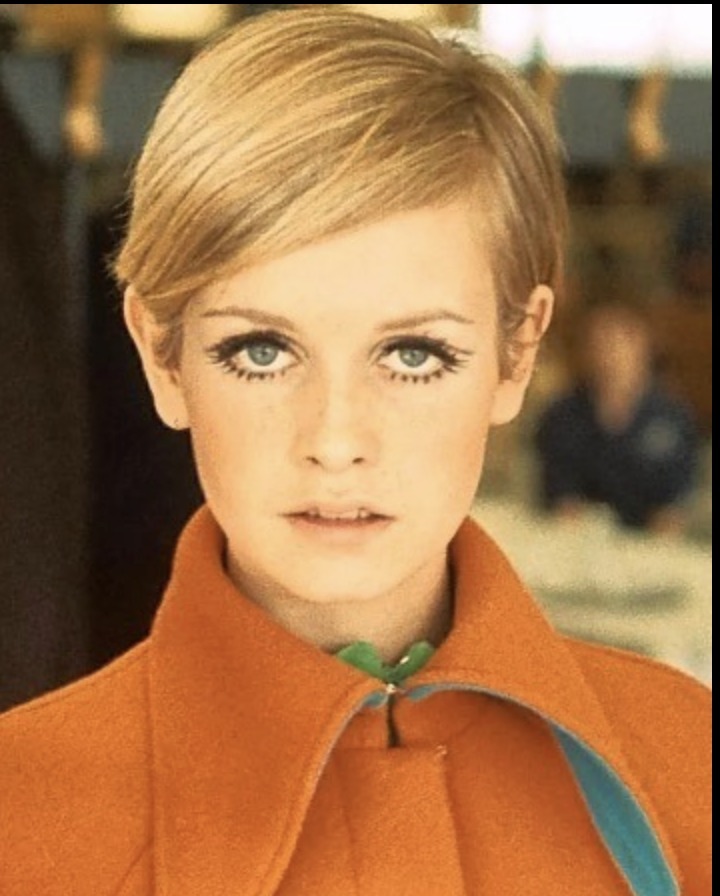
Her signature pixie haircut framed her delicate, elfin features and striking blue eyes, creating an image that would influence fashion and beauty trends for decades.
Interestingly, despite becoming the face of the youthful, androgynous style of the Swinging Sixties, Twiggy later admitted that the famous haircut wasn’t exactly part of her original plan.
In fact, she once revealed that she was too shy to refuse a well-known hairstylist at an upscale London salon.
As she celebrates her birthday on September 19, it’s the perfect moment to look back at the 1960s—the decade when Twiggy introduced the world to her iconic “baby doll” look and changed fashion forever.
Back in 1966, Twiggy—whose real name is Lesley Hornby—was simply searching for a fresh new style to help launch her modeling career.
At only 5 feet 6 inches tall, many critics told her she was too short to succeed in the highly competitive fashion industry.
Her journey took a turning point when she visited London’s famous House of Leonard salon, where she met renowned British hairstylist Leonard Lewis, widely known as Leonard of Mayfair.
Lewis was looking for models willing to try out his newest short haircut design.
During an appearance on Table Manners, hosted by Jessie Ware, Twiggy shared the story behind that life-changing moment.
She explained that she had originally gone to the salon for a simple wash and style when Lewis noticed her and suggested trying his new haircut.

“I had actually been growing my hair longer,” Twiggy recalled. “When he asked if he could cut it short, I hesitated.
But I was sitting in this elegant salon in Mayfair, and I felt too shy to say no. So I just agreed.”
The next day, she returned to the salon and spent nearly seven hours in the chair. Lewis carefully cut, colored, and reshaped her hair several times until the final result was exactly what he envisioned.
“It was quite an experience,” Twiggy laughed later. “My hair was cut, then colored, then cut again. It felt a bit crazy at the time.”
Once the look was perfected, Lewis invited British photographer Barry Lategan to capture a few photographs of the young model. Those photos would soon change her life.
Lewis displayed the images inside the salon, where they caught the attention of Deirdre McSharry, fashion editor at the Daily Express.
Impressed by Twiggy’s striking appearance, McSharry arranged for the photos to be published.
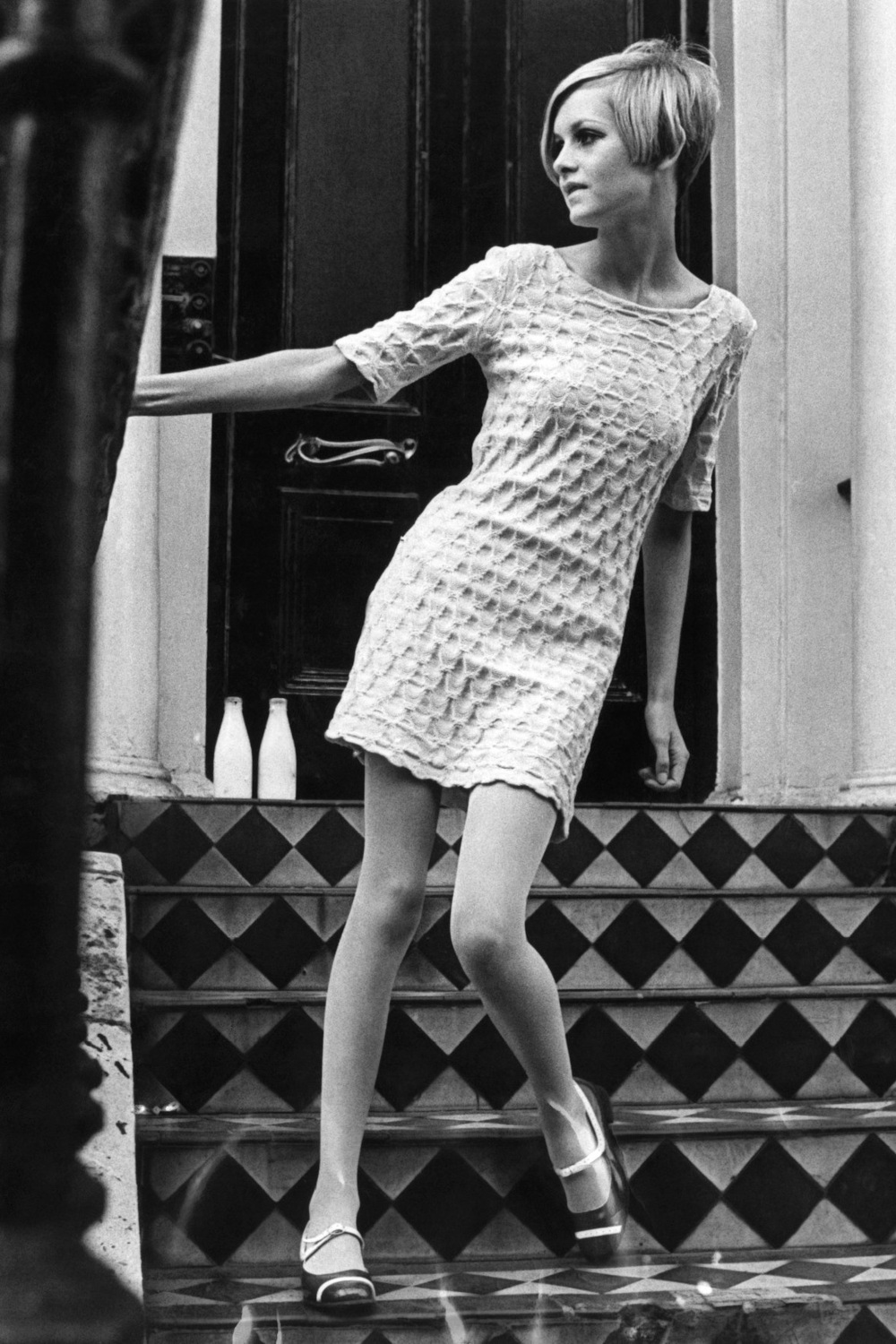
That moment marked the beginning of Twiggy’s extraordinary rise. The newspaper soon introduced her to the world with the headline “Twiggy – The Face of ’66.”
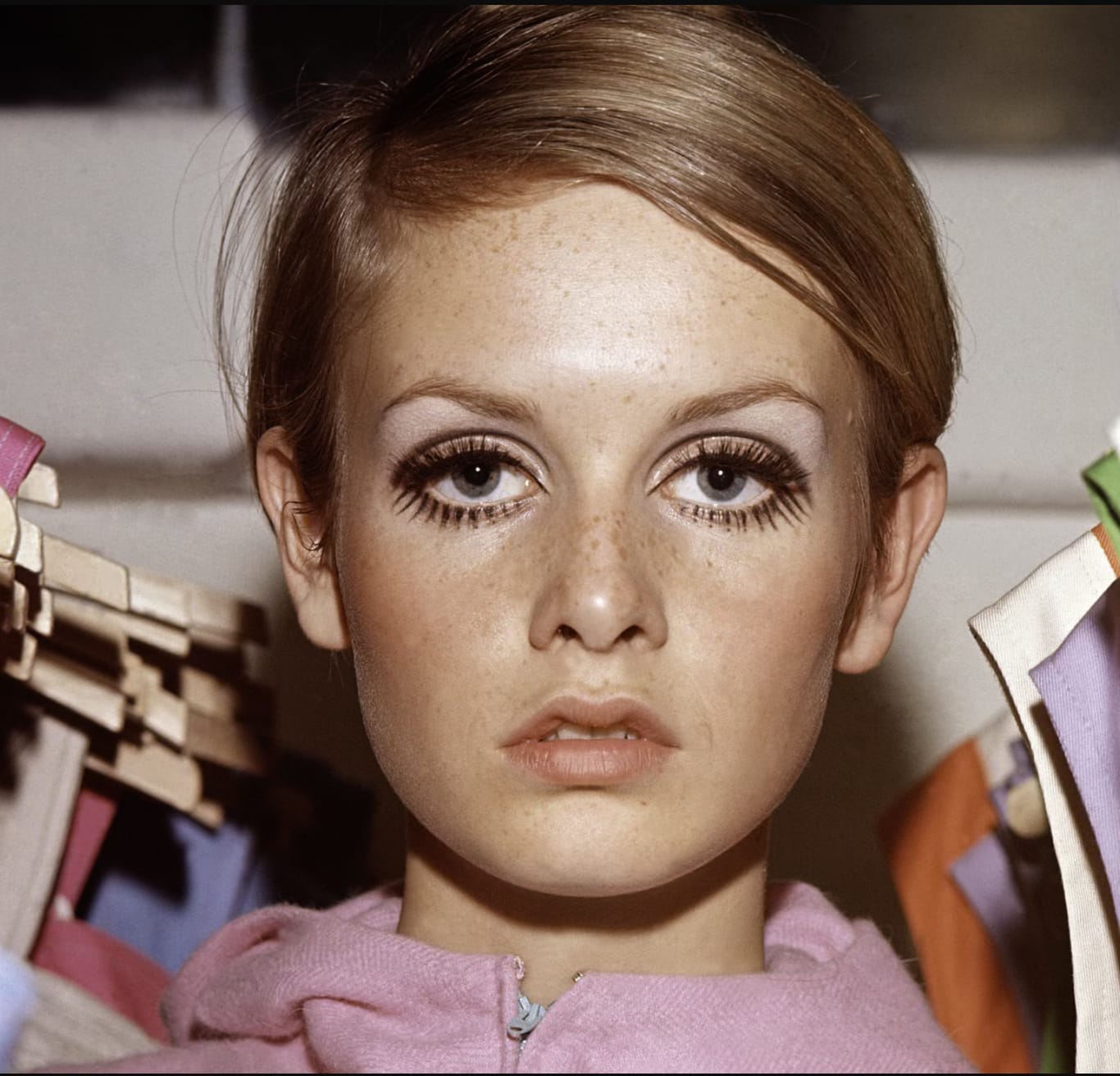
Her short blonde pixie cut highlighted her wide blue eyes, which she enhanced with dramatic mascara and bold lower lashes.
Twiggy later explained that the inspiration for her famous eye makeup actually came from a childhood toy.
“I had a rag doll with those big spiky lashes,” she told Vogue. “I experimented with false eyelashes and created what eventually became my signature look.”
Growing up in a strict grammar school where makeup was forbidden, Twiggy often used weekends as a chance to experiment with fashion.
She and her friends would visit trendy mod clubs, wearing mini skirts and bold makeup styles that helped shape the look she later became famous for.
Not long after her first newspaper feature, Twiggy landed her first photoshoot for Vogue, and her modeling career quickly exploded.
She soon became the ultimate symbol of mod fashion in the 1960s.
Her influence was so strong that the toy company Mattel even created a Twiggy Barbie doll, making her one of the earliest celebrities to inspire a Barbie design.
Throughout her career, Twiggy was also closely associated with innovative British designer Mary Quant, whose daring mini skirts helped define the fashion revolution of the decade.
After just a few years at the top of the modeling world, Twiggy decided to explore other creative passions. In 1970, she stepped away from modeling to pursue acting and music.
She starred in several films, including The Boy Friend in 1971, a performance that earned her two Golden Globe Awards. Later, she also appeared in the comedy Club Paradise, starring alongside Robin Williams.
Twiggy continued to evolve creatively, launching fashion collections with Marks & Spencer and later releasing a music album titled Romantically Yours in 2011.
The album featured classic songs such as “Blue Moon” and included performances by her daughter Carly Lawson.
Today, Twiggy remains an important figure in fashion and media.
She has worked as an ambassador for L’Oréal and hosts her own podcast, Tea with Twiggy, where she chats with well-known guests and longtime friends.
Despite her remarkable career and global fame, Twiggy often says her greatest achievement is the close relationship she shares with her daughter Carly.
Family, she says, has always been her top priority.

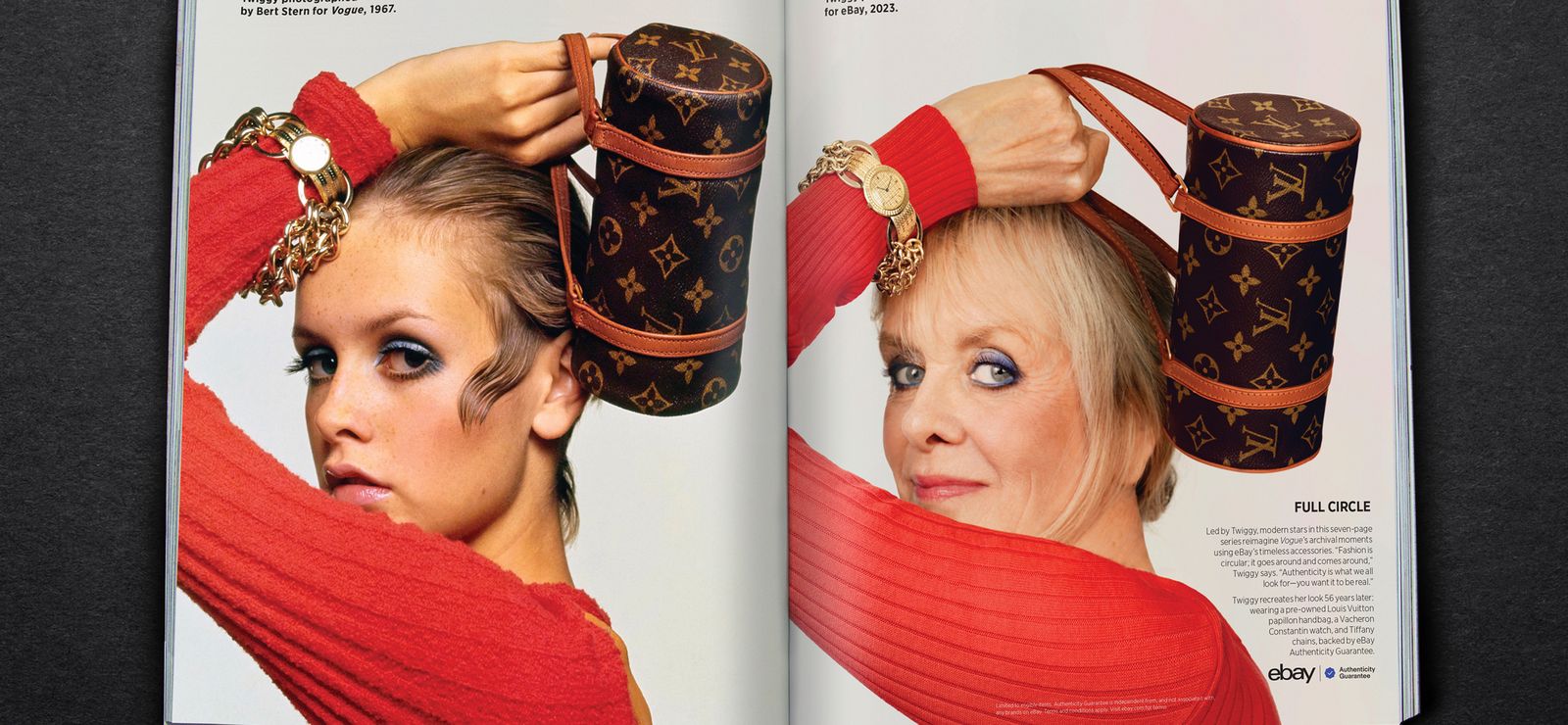
Even now, decades after her rise to fame, Twiggy continues to inspire generations with her timeless style, confidence, and creativity.
Her iconic pixie cut remains one of the most recognizable looks in fashion history—and proof that sometimes a single bold decision can change everything.
So as we celebrate Twiggy’s birthday, it’s the perfect time to appreciate the woman who helped define an entire era of fashion.
