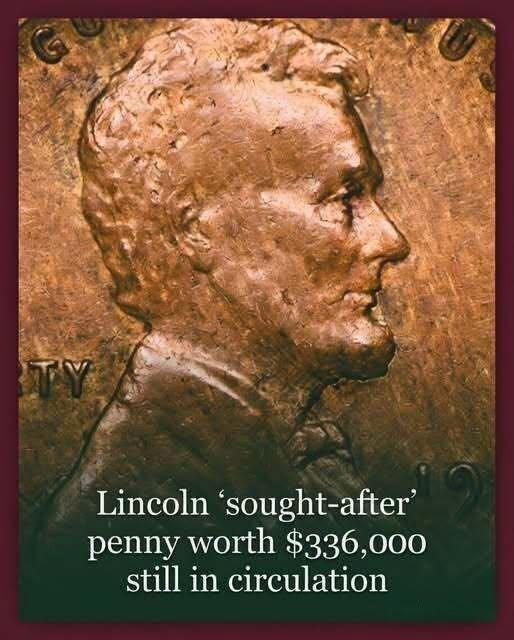
The 1943 Bronze Lincoln Cent is widely considered one of the most famous and fascinating rarities in American coin collecting.
Its story began during the intense years of World War II, when the United States was redirecting enormous amounts of industrial resources toward the war effort.
Copper was a critical material needed for ammunition, wiring, and military equipment, so the United States Mint made the unusual decision to stop using the traditional bronze alloy for pennies in 1943.
Instead, the Mint produced cents made from zinc-coated steel in order to conserve copper for military use.
However, the changeover in production did not go perfectly smoothly.
A small number of leftover bronze coin blanks—known as planchets—from 1942 apparently remained inside minting equipment when the new steel cents began production in 1943.
When those bronze planchets accidentally passed through the coin presses, they were struck with the 1943 date just like the new steel coins.
The result was a tiny number of bronze pennies that technically were never supposed to exist.
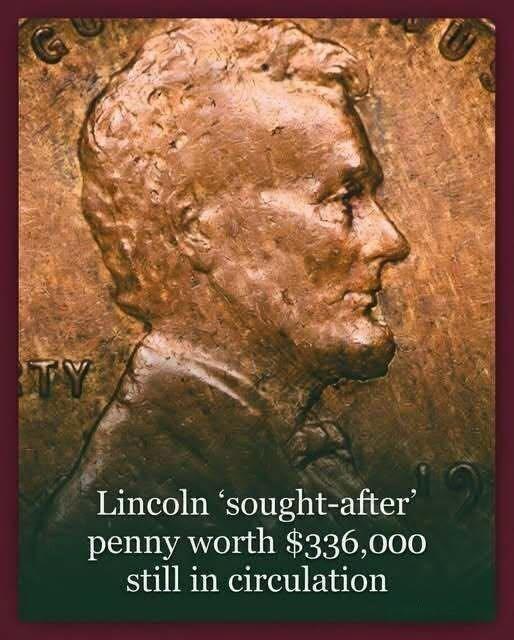
At the time, no one immediately noticed the mistake. Millions of steel cents were produced that year, and the few bronze examples quietly slipped into circulation mixed among normal coins.
It wasn’t until several years later, around 1947, that collectors and members of the public began reporting something unusual—a 1943 penny that looked like the normal copper-colored coins from earlier years instead of the silvery steel version everyone expected.
News of these strange coins spread quickly. Stories about a “copper 1943 penny” began appearing in newspapers and coin collecting circles, sparking curiosity and excitement across the country.
People everywhere started checking their pocket change, jars of pennies, and old coin collections in hopes of finding one of these rare pieces.
Almost overnight, the coin turned into a nationwide treasure hunt.
Part of the coin’s mystique comes from the historical moment in which it was created.
The shift from bronze to steel cents reflected the enormous economic and industrial adjustments taking place during World War II.
Every metal, machine, and factory was being redirected to support the war effort. The accidental creation of bronze 1943 pennies became an unexpected byproduct of that intense period of production and urgency.

Collectors soon realized that these coins were not only historically interesting but also extraordinarily rare.
Experts today estimate that fewer than twenty genuine examples were struck across the Mint’s three facilities in Philadelphia, Denver, and San Francisco.
Each mint produced only a handful before the leftover bronze planchets were completely used up or removed from the presses.
Because of this extreme scarcity, the coins quickly became some of the most valuable error coins in American numismatic history.
Over the decades, authenticated examples have sold for astonishing prices at auction.
Some have brought hundreds of thousands of dollars, while one famous specimen sold for well over a million dollars, placing it among the most valuable pennies ever discovered.
The road to authentication, however, was not simple. When the first reports surfaced, the United States Mint initially denied that such coins could exist.
Officials assumed the reports were the result of altered coins—steel cents plated with copper, or regular copper pennies with their dates modified to resemble 1943.
Counterfeits did indeed appear as collectors and opportunists tried to replicate the rare coin.

Eventually, careful metallurgical testing proved that genuine bronze 1943 cents were real.
Experts analyzed the metal composition and confirmed that the coins matched the bronze alloy used in earlier years rather than the steel used in 1943.
These tests verified that the coins were authentic mint errors created when leftover 1942 planchets were accidentally struck with 1943 dies.
As the story became widely known, collectors developed simple ways to test suspicious coins. One of the most common methods involved using a magnet.
Since the standard 1943 steel cents are magnetic and bronze coins are not, this quick test allowed people to eliminate most ordinary steel pennies.
Of course, passing the magnet test did not guarantee authenticity—many copper-plated fakes could also pass—but it became a popular first step in the search.
Over time, several fascinating discovery stories helped turn the coin into a legend within American culture.
One of the most famous examples involved a teenager in Massachusetts who reportedly found a bronze 1943 cent among his lunch money.
Years later, that same coin was authenticated and eventually sold for more than $200,000, proving that extraordinary finds could appear in the most ordinary places.
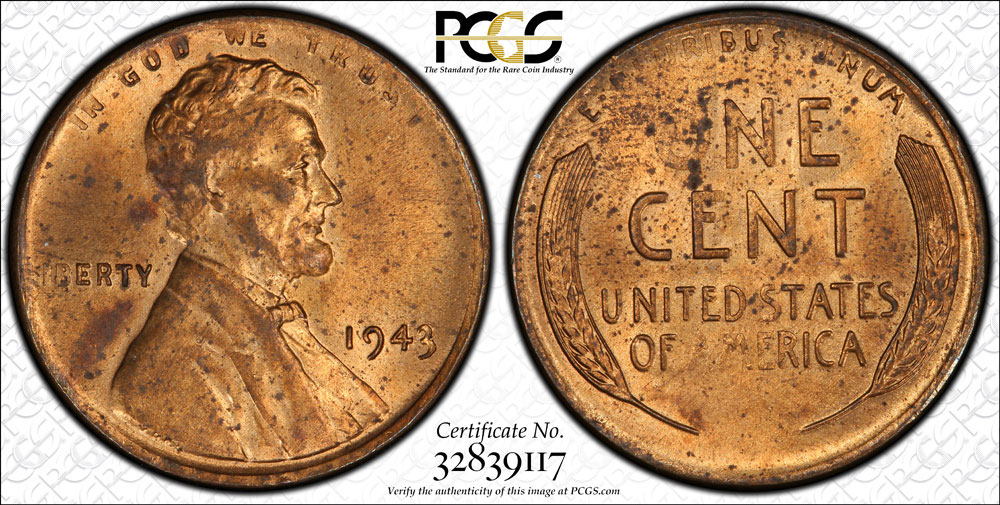
Stories like that helped fuel the dream that a rare treasure might still be hiding in someone’s change jar or coin collection.
Even today, decades after the coins were first identified, people continue to check their pennies from 1943 just in case one of the legendary bronze versions might appear.
Today, the 1943 Bronze Lincoln Cent remains one of the most celebrated coins among collectors.
It represents far more than a simple minting mistake—it tells a story about wartime production, industrial pressure, and the unpredictable accidents that sometimes occur in large manufacturing systems.
