
What Is the Rattlesnake Envelope Prank?
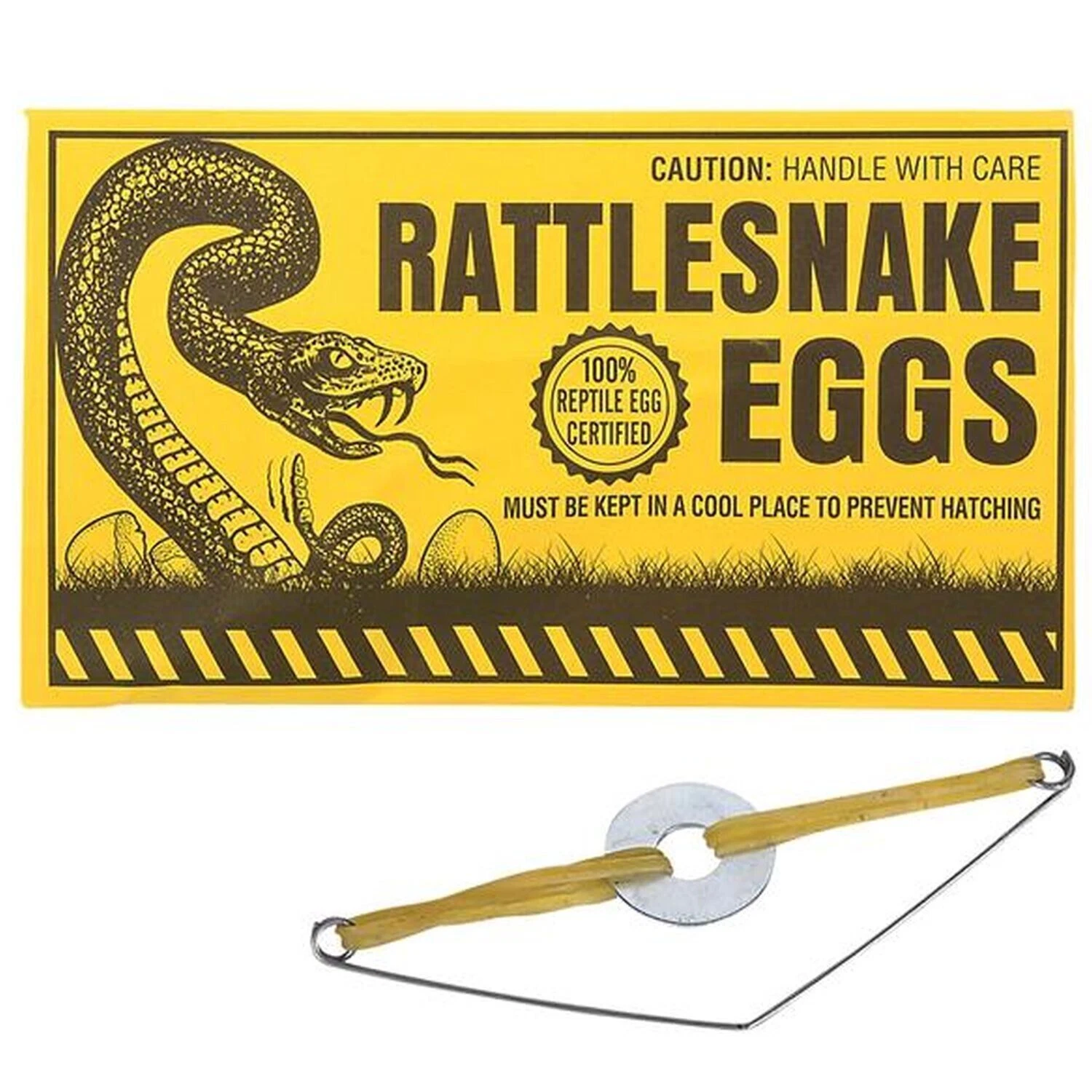
The Rattlesnake Envelope Prank is a classic novelty “jump-scare” gag: a small springy device is placed in an envelope so that when the envelope is opened, the mechanism snaps outward, startling the person holding it. It’s often marketed with a humorous label like “RATTLESNAKE EGGS” to make it look like a fake warning product rather than a prank.
Other Common Names
This prank has been sold under several names, including “Rattlesnake Eggs,” “Snake in an Envelope,” “Jumping Snake,” or “Pop-Out Envelope Gag.” The packaging style (bright warning colors, “handle with care,” “keep cool to prevent hatching”) is part of the joke.
When Did It First Appear?
This type of pop-out envelope prank became widely popular in the mid-20th century, especially through novelty shops, joke catalogs, and gag gift stores. While the exact “first year” is hard to pin down (because many versions were produced by different novelty makers), it’s generally associated with the era when mail-order prank items and practical jokes became mainstream consumer novelty products.
What Is It Used For?
The main purpose is harmless surprise and comedy. People used it to:
- Add a shock moment to a letter or invitation
- Prank friends or coworkers with a quick, unexpected pop-out
- Pair it with fake labels (like “Rattlesnake Eggs”) to create a setup + payoff moment: curiosity first, then the surprise
How Does It Work? (Simple Explanation)
Inside the envelope is a springy wire-and-frame mechanism with a small center piece. When the envelope is opened, the tension releases and the frame snaps open suddenly, creating the “it jumped at me!” effect. The design is meant to be lightweight and reusable, so it can be reset and used again.
Why the Name “Rattlesnake Eggs”?
The name is a joke product idea: rattlesnakes don’t actually lay eggs in the way people imagine, so the label is intentionally silly. The warning-style text (“handle with care,” “prevent hatching”) makes it feel like you’re opening something risky—then the prank delivers the surprise.
Safety and Etiquette Notes
Even though it’s typically non-harmful, it can cause a strong startle reaction. It’s best avoided for people who might be vulnerable to sudden surprises (for example, very young kids, or anyone who could be distressed by loud or sudden pop-out gags). The funniest pranks are the ones where everyone can laugh afterward.
