
Peace, Privacy & Outdoor Adventure Await!!
Escape to the quiet of the Maine woods with this remarkable 2-parcel, 77-acre off-grid property in Greenbush — a haven for outdoor enthusiasts, hunters, and anyone seeking simplicity and solitude.
Surrounded by a lush forest teeming with wildlife, this property will provide a true connection to nature.
White-tailed deer, ruffed grouse, ducks, snowshoe hare, and moose are frequent visitors to this serene landscape.

An old beaver pond just a short walk away from camp diversifies the landscape as well as the many wildlife species who frequent this area.
The cozy and tastefully updated off-grid camp provides the perfect rustic retreat.
A drilled well with a reliable, freeze-proof Bison hand pump ensures year-round water access, while solar PV panels and a generator hook-up gives flexibility for power needs (just add new batteries to complete the solar setup!).
Inside, a wood stove keeps the cabin warm and inviting through Maine’s crisp evenings and cold winters. Beyond recreation, the property also presents income potential.
A 2024 harvest plan prepared by Prentiss & Carlisle is available and opens the door for a sustainable timber management opportunity — a rare combination of tranquility and practicality.
Whether you’re looking for a private hunting camp, a peaceful off-grid getaway, or a long-term land investment, this Greenbush gem will give you endless possibilities.
Come experience the beauty, wildlife, and solitude that make this property truly special.

🏡 Property Details Summary Table
CategoryDetailsInterior Bedrooms0Bedroom
1 LevelFirstTotal Rooms1 Bathrooms0.5 (Half baths: 1)Bathrooms by Level
Level 1: 1 half bath; Basement/Level 2/
Level 3: noneAppliancesRefrigerator, Electric RangeInterior FeaturesFurnishedFlooringLaminateHeatingWood StoveCooling —
Exterior / Land Info Land TypeRight of Way, Wooded, RuralLand LeaseNoLot Size77 acres / 3,354,120 sq ftOther StructuresOutbuilding, Outhouse
/PrivyExterior Features PorchRoadPrivate Road, GravelParking5–10 spaces, GravelViewScenic, Trees/
WoodsOther EquipmentGeneratorCommunity HOANoMonthly HOA Fees$0
Listing Info StatusActiveAnnual Tax Amount $1,473CountyPenobscotDirectionsFrom US-2 E In Old Town → Greenfield Road → Spring Bridge Road → Bear Run → Wolf Run Trail → Cross Beaver Dam → Driveway on left Tax Year2024Parcel NumberGREH-000006-000000-000015-000030-31ZIP +43155ZoningRuralProperty TypeSingle Family Residence
Building / Construction Living Area384 sq ftYear Built1990ConstructionComposition, Wood Frame, Post & Beam
RoofMetalStyleCampUtilities ElectricPhotovoltaics (seller-owned), Generator Hookup, Circuit Breakers, Off-gridSewerSeptic TankWaterWell

🏞️ Area & Lifestyle Summary
CategoryDetails
🛒 GroceriesNearest supermarket is over 30 minutes walking distance
🛍️ ShoppingGreenbush Soap Factory — 4.4 miles away
🍸 NightlifeFew or no bars within walking distance
🍽️ RestaurantsVery few or no restaurants within walking distance
🌿 QuietnessAlmost no noise sources nearby
😌 AtmospherePeaceful and quiet at all times
🚗 DrivingExcellent access to highways / major roads; no parking issues
🚴 BikingNot very suitable for commuting or recreational biking
🚶 WalkingOther transportation is required for daily needs
Recognize Them?: Rare 2004 Throwback of Beloved TV Legends Together!
As Tina Louise celebrates her 92nd birthday in 2026, she stands not merely as a surviving television icon, but as one of the last living links to a vanished era of American entertainment.
In a world where celebrity fame now moves at the speed of social media trends and viral moments, Tina Louise represents something far rarer and more enduring: the timeless mythology of classic television stardom.
For generations of viewers, she will forever be remembered as Ginger Grant — the glamorous movie star stranded alongside six unlikely companions on Gilligan’s Island.
Yet reducing Tina Louise to that single role only scratches the surface of a career and life that extended far beyond the coconut palms and comedic chaos of television’s most famous island.
This February, as fans celebrate her remarkable milestone, many have found themselves revisiting one particularly beloved image from 2004: a reunion photograph featuring Tina Louise alongside the late Dawn Wells.
At first glance, it appears to be a simple nostalgic snapshot. But over time, the image has become something far more emotionally resonant — a visual reunion of two women who helped shape one of television’s most enduring cultural phenomena.
 Even decades after Gilligan’s Island first aired, the chemistry between Louise and Wells remained unmistakable.
The photograph captures a fascinating duality that defined the original show itself.
Tina Louise radiated the polished glamour of old Hollywood sophistication, while Dawn Wells embodied the approachable warmth of the all-American girl next door.
Together, they represented two opposing fantasies within American pop culture — elegance and innocence, luxury and simplicity, aspiration and familiarity.
For years, fans passionately debated the now-legendary “Ginger versus Mary Ann” question, choosing sides with almost sports-like intensity.
Yet behind the playful cultural rivalry was a much deeper reality: two actresses navigating the same unpredictable entertainment industry together.
The 2004 reunion reminded audiences that beneath the television mythology were real women connected by shared history, shared pressures, and shared survival.
And survival, in many ways, defines Tina Louise’s story.
When Gilligan’s Island premiered in 1964, few could have predicted the extraordinary afterlife the sitcom would eventually achieve.
Initially dismissed by many critics as lightweight entertainment, the series somehow embedded itself permanently into the American imagination.
Decades later, its characters remain instantly recognizable across generations.
At the center of that phenomenon stood Tina Louise.
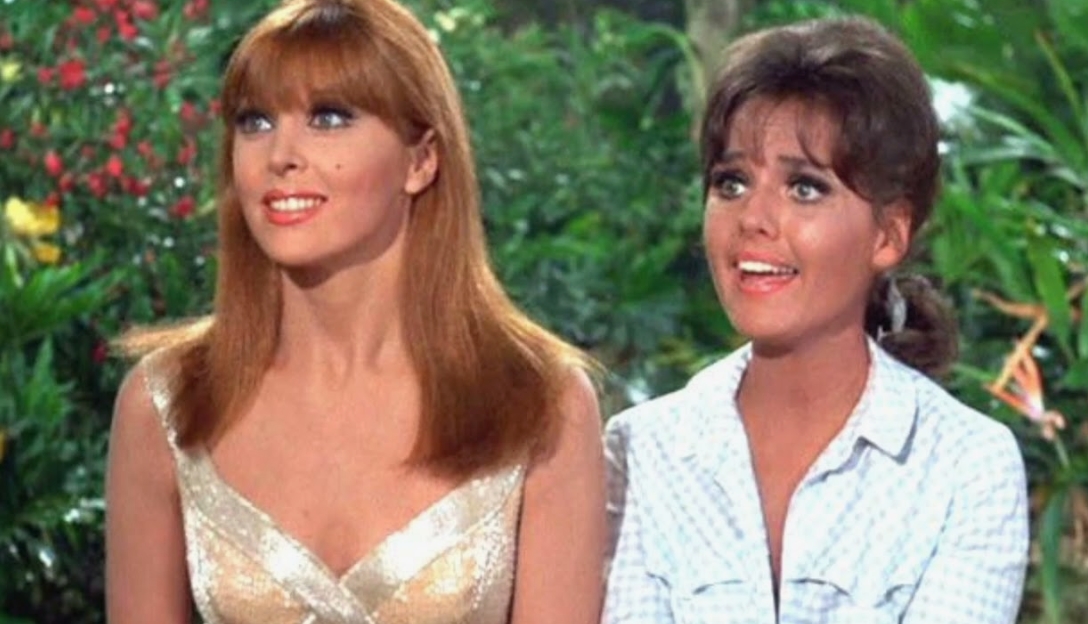 As Ginger Grant, she perfected a very specific type of glamorous archetype deeply rooted in Hollywood’s golden age.
Ginger was not simply “the attractive character” on the island.
She was a parody and celebration of old studio-era movie stars — women whose identities were built around elegance, seduction, dramatic entrances, and larger-than-life femininity.
Louise understood exactly what the role required.
With her fiery red hair, carefully controlled voice, and effortless screen presence, she transformed Ginger into far more than a comedic stereotype.
She played the role with enough intelligence and self-awareness to make the character iconic rather than disposable.
Even surrounded by outrageous comedy and slapstick situations, Louise maintained the aura of someone who seemed to belong to another, more glamorous cinematic universe entirely.
And audiences loved her for it.
But while the public often viewed Tina Louise as the embodiment of effortless glamour, the reality behind her career was far more disciplined and artistically serious.
Long before becoming a television legend, Louise studied under Lee Strasberg at the legendary Actors Studio in New York.
There, she immersed herself in Method acting techniques that emphasized emotional authenticity, psychological realism, and artistic rigor.
This background sharply contrasted with the superficial “bombshell” image Hollywood often projected onto her.
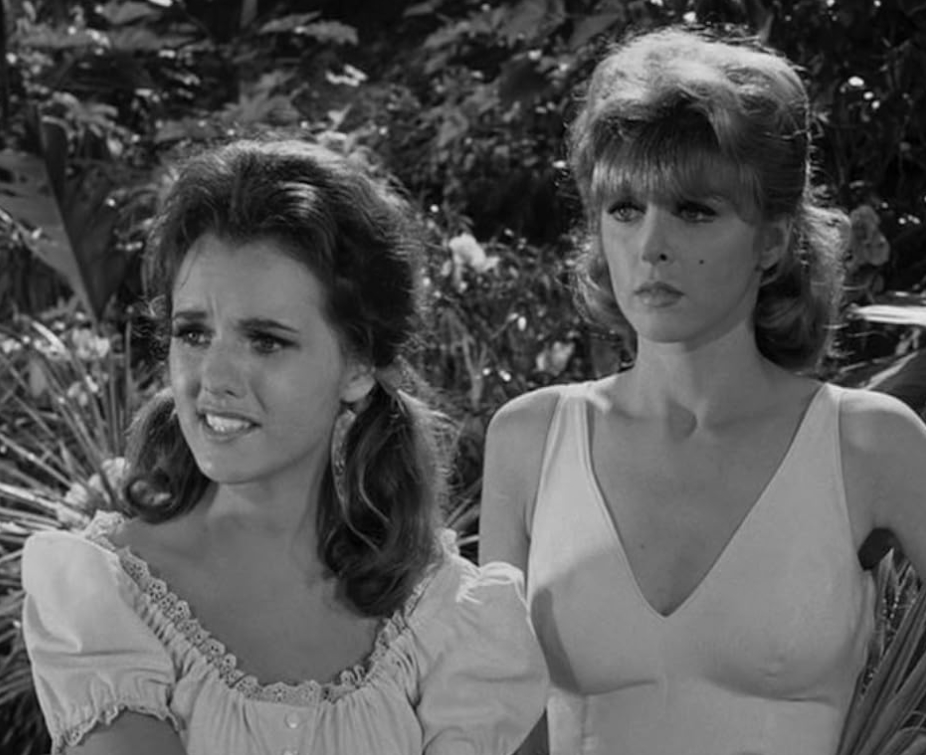 Louise was not simply interested in looking glamorous.
She wanted to be respected as an actress.
That ambition shaped many of her career choices outside of Gilligan’s Island.
In films like God’s Little Acre, she demonstrated emotional complexity and dramatic intensity that surprised audiences who expected only polished beauty.
Critics frequently praised her performances, recognizing a depth and intelligence that television typecasting sometimes obscured.
Yet typecasting remained one of the defining struggles of her professional life.
The enormous popularity of Ginger Grant became both blessing and burden.
While the role secured her permanent fame, it also created challenges common to many television actors whose identities become inseparable from a single character.
Hollywood often struggled to imagine Tina Louise outside the glamorous redheaded movie-star persona audiences already adored.
Unlike some stars who fully embraced nostalgia culture, Louise maintained a more complicated relationship with Gilligan’s Island over the years.
At times, she appeared frustrated by how completely the role overshadowed her broader artistic ambitions. And perhaps that frustration was understandable.
After all, beneath the sequins and sitcom glamour was a serious actress who had trained intensely for her craft.
Still, time softened many of those tensions. As decades passed, Louise increasingly recognized the emotional connection audiences maintained with the show and its characters.
Rather than rejecting that legacy entirely, she began approaching it with greater warmth and perspective.
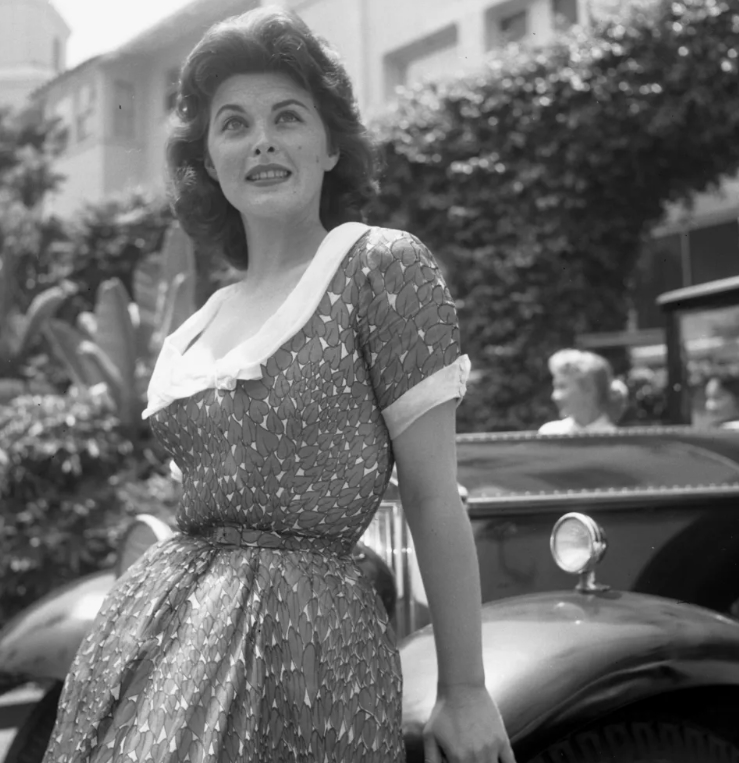 And in doing so, she allowed fans to see another side of her entirely.
One of the most remarkable chapters of Tina Louise’s later life has been her dedication to literacy and children’s education.
Long after the brightest years of television fame faded, Louise quietly devoted enormous energy toward volunteering in New York City public schools, reading to children and encouraging literacy development.
It became one of the defining missions of her later decades.
Unlike celebrity charity work designed primarily for publicity, Louise’s commitment appeared deeply personal and consistent.
For over twenty years, she spent time directly engaging with students, demonstrating patience, empathy, and genuine passion for helping young readers.
She also expanded her creative work into writing.
Her memoir, Sunday, offered readers a thoughtful and emotionally reflective look into her life beyond Hollywood mythology.
Meanwhile, children’s books like When I Grow Up revealed her desire to inspire imagination and self-confidence in younger generations.
These projects helped reshape public understanding of Tina Louise.
She was no longer simply remembered as Ginger Grant.
She became an artist, author, advocate, and survivor whose legacy extended far beyond television nostalgia.
Today, in 2026, Tina Louise occupies an especially poignant place within entertainment history because she is now the final surviving member of the original Gilligan’s Island cast. That reality carries enormous emotional weight for longtime fans.
 With the passing of Dawn Wells in 2020 and the gradual loss of the rest of the beloved ensemble over the years, Louise has become the last living guardian of one of television’s most cherished worlds.
And there is something profoundly moving about that.
Because Gilligan’s Island itself represents more than comedy alone. For many viewers, the show became associated with childhood, family routines, comfort, innocence, and simpler eras of television.
Seeing Tina Louise still here at 92 feels almost symbolic — as though a small surviving piece of that vanished cultural landscape continues breathing through her presence.
Time has naturally transformed her appearance, just as it transforms everyone eventually. But the spark that once made Ginger Grant unforgettable still flickers visibly within her expression.
The elegance remains. The wit remains. The unmistakable aura of classic Hollywood femininity remains.
More importantly, so does her resilience.
Few performers navigate nearly an entire century of cultural change while preserving both dignity and relevance. Tina Louise managed exactly that.
She survived typecasting, industry evolution, personal reinvention, and the inevitable passage of time itself while continuing to shape her own narrative.
At 92, she no longer represents simply a glamorous television fantasy.
She represents endurance.
A woman who outlasted eras.
A performer who became mythology while remaining deeply human underneath it all.
And perhaps that is why audiences continue returning to those reunion photographs, those old episodes, and those memories with such affection.
They are not only revisiting a television show.
They are revisiting a feeling.
A world of laughter, color, charm, and possibility that Tina Louise helped create — and that, even now, she continues to embody with remarkable grace.
