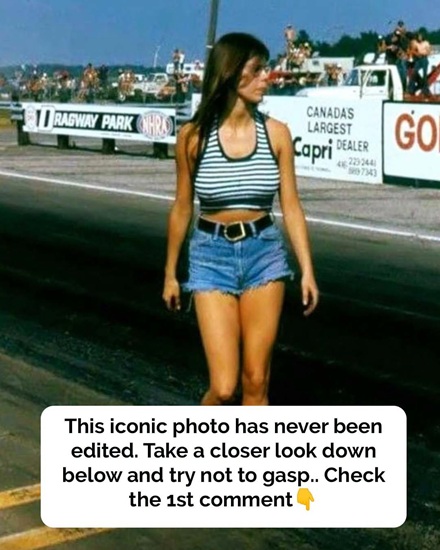
Jungle Pam Hardy remains one of the most recognizable and talked-about figures in the history of American drag racing. Although her time in the sport was relatively short, her impact during the 1970s left a lasting impression on fans and the racing community. Known for her striking presence and connection to one of drag racing’s most famous drivers, she became a cultural symbol of an unforgettable era in motorsport history. During the golden age of drag racing, the sport was defined by raw mechanical power, loud engines, and passionate personalities rather than modern computerized systems.
It was within this environment that Jungle Pam emerged, becoming closely associated with driver Jim Liberman, also known as “Jungle Jim.” Together, they formed one of the most memorable duos in the racing world, combining performance driving with a strong sense of showmanship that entertained fans across the United States. Pam Hardy’s introduction to drag racing came in the early 1970s, when she met Jim Liberman shortly before finishing high school.
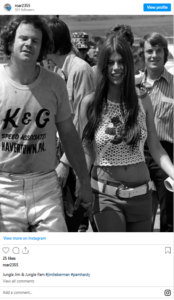
Their connection quickly developed, and she soon joined him on the racing circuit. Although she originally had plans for higher education, she chose instead to travel with Liberman, becoming part of his racing team and lifestyle. This decision marked the beginning of her unexpected journey into motorsport history.
In her role on the team, Pam became known for her work during race events, particularly at the starting line where she assisted in staging the car and preparing it for runs. Her presence quickly attracted attention from audiences, not only because of her appearance but also because of her visible involvement in the racing process. She helped with vehicle preparation tasks such as checking fluids, assisting with mechanical readiness, and supporting post-run procedures, making her a recognizable part of the racing crew.
As her visibility grew, so did her popularity among fans. Photographs of Pam at racing events became widely circulated in magazines and media coverage of the sport. Her appearances contributed to increased attention for Jim Liberman’s racing team, as spectators were drawn to the combination of high-energy racing and the charismatic presentation of the team. Over time, she became one of the most photographed women in drag racing history.
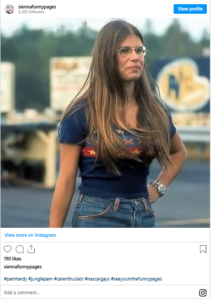
Jim Liberman himself was already a well-known figure in the sport, celebrated for his bold personality and entertaining driving style. He was regarded as one of the most dynamic showmen in drag racing, and his partnership with Pam added another layer of public interest. Together, they traveled extensively across the racing circuit, building a reputation as a team that brought excitement and personality to every event they attended.
Despite her rising fame, Pam Hardy often expressed that her role was part of a team effort rather than an individual spotlight. She emphasized that the success of their presence at events depended on collaboration and shared enthusiasm for the sport. Her contributions, combined with Liberman’s driving talent, helped shape a unique identity that stood out in the competitive world of drag racing.
Tragically, the racing world was shaken in 1977 when Jim Liberman lost his life in a fatal accident during a race. His passing marked a devastating moment for fans, friends, and the entire motorsport community. The incident deeply affected Pam Hardy, who stepped away from active involvement in drag racing following his death. She later chose not to work directly with other drivers in the same capacity again.
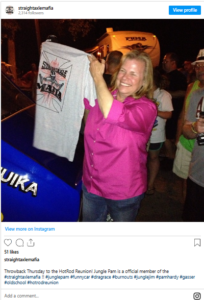
In the years that followed, Pam remained connected to the memory of Jim Liberman and occasionally participated in events honoring his legacy. While she moved forward with her personal life, including later marriages, her name continued to be associated with the iconic era she had been part of. Her story became closely tied to the history of 1970s drag racing and its most memorable personalities.
Over time, photographs and footage from that period have continued to circulate, preserving the image of Jungle Pam as a symbol of a unique time in motorsport culture. These images reflect not only the excitement of racing but also the atmosphere of a sport that was heavily influenced by personality, showmanship, and public engagement.
Pam Hardy’s legacy is often discussed in the context of her role in bringing additional attention to drag racing during its peak years. While she did not race cars herself, her presence on the track contributed to the overall experience of the sport during that era. Her involvement helped highlight the entertainment aspect of drag racing, where performance extended beyond driving alone.
Today, Jungle Pam Hardy is remembered as a distinctive figure from a defining period in American motorsport history. She continues to be recognized by fans of classic drag racing for her role in one of the sport’s most iconic partnerships. Her story reflects a time when racing was as much about personality and spectacle as it was about speed and competition.
