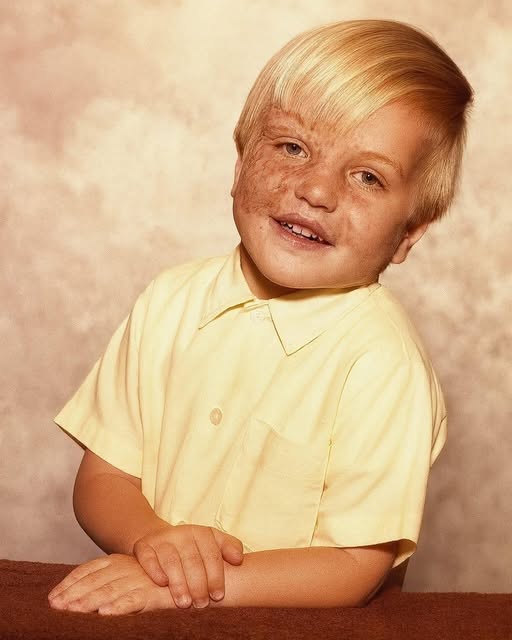
heartbreaking and deeply inspiring. His life could have ended before it had even truly begun.
When he was only fourteen months old, a terrible incident changed everything, leaving him with severe injuries that would shape the rest of his life.
On November 18, 1978, in Flint, Michigan, the young child suffered devastating burns after a violent act by his mother’s boyfriend.
In a moment of anger, the man pressed the toddler’s face against an electric heater, causing third-degree burns across much of his face.
The injuries were so severe that doctors were unsure if the little boy would survive.
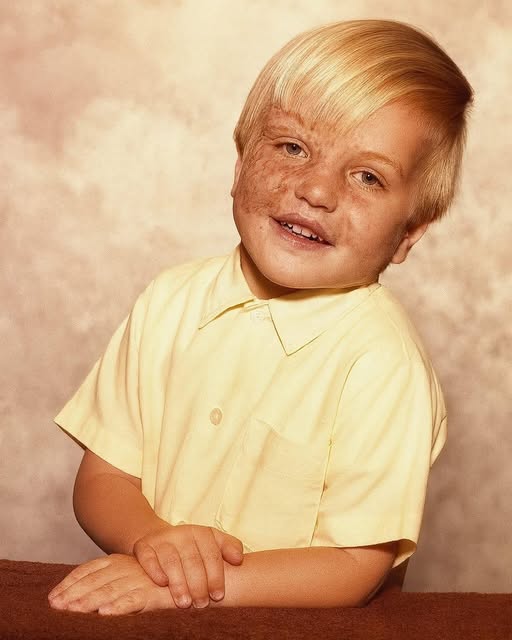
Medical staff prepared for the worst. The damage was extensive, and the chances of survival seemed incredibly small.
Yet somehow, against the odds, Keith pulled through. What followed was a long and painful journey filled with hospital visits, treatments, and surgeries aimed at helping him recover and rebuild his life.
Keith spent an entire month in the hospital immediately after the incident, while doctors closely monitored his condition.
Over the years that followed, he received ongoing care at the Shriners Burn Institute in Cincinnati, where specialists worked to treat his injuries until he reached adulthood.
Although the medical care helped him survive and gradually heal, the emotional scars were just as difficult to carry.

During this time, his life remained unstable. Keith spent part of his childhood in foster care while authorities investigated the situation.
Eventually, his mother was cleared of wrongdoing, and they were reunited.
However, the man responsible for the attack received a prison sentence that many felt was far too short compared to the severity of the crime.
As Keith grew older, the trauma of his early life continued to affect him deeply. Living with visible scars made childhood especially difficult.
He often felt isolated from other children and became the target of bullying. These experiences left him struggling with anger, sadness, and a sense of injustice.

By the time he was a teenager, Keith began turning to alcohol as a way to cope with the emotional pain.
What started as a way to numb difficult feelings eventually developed into a long struggle with substance use.
For more than two decades, his life was filled with challenges, including depression and occasional trouble with the law.
Despite these hardships, a turning point eventually arrived. On his 35th birthday, July 9, 2012, Keith experienced a moment that would completely change the direction of his life.
During a period of heavy drinking, he suddenly realized that he no longer wanted to continue down the same destructive path.
In that moment of clarity, he made a powerful decision—to rebuild his life and become a better version of himself.

From that day forward, Keith committed himself to sobriety and personal growth. He began focusing on building a stable career and creating a meaningful future.
Over time, he found success in corporate sales, working with well-known companies such as Dell and The Coca-Cola Company.
His work ethic and ability to connect with people quickly stood out. At Coca-Cola, he was even given one of the most challenging sales routes in inner-city Detroit.
The role required strong communication skills and resilience—qualities Keith had developed through years of overcoming adversity.
However, his journey of transformation did not stop with personal success. Keith felt a strong desire to help others who had experienced situations similar to his own.
In 2016, he founded the Keith Edmonds Foundation, a nonprofit organization dedicated to supporting children who have experienced abuse, neglect, or difficult childhood circumstances.

Through programs like “Backpacks of Love,” the foundation provides essential items for children entering foster care—helping them feel a sense of comfort and dignity during a very uncertain time.
Another program, “Camp Confidence,” offers mentorship and encouragement to young survivors, giving them the chance to build self-esteem and connect with supportive role models.
Keith’s story resonates with many people because it is deeply authentic. Unlike motivational speakers who rely only on words, he carries physical reminders of his past every day.
Those scars allow young people facing similar struggles to see someone who truly understands what they are going through.
Educators and community leaders who have worked with him often note how quickly students connect with his story.
They see someone who has endured hardship but still managed to rebuild his life and help others along the way.
 Today, Keith Edmonds has transformed his painful past into a mission of compassion and encouragement.
Through public speaking, mentorship, and his nonprofit work, he continues to reach countless young people who feel lost or forgotten.
Perhaps one of the most powerful parts of his journey is his decision to embrace forgiveness. Over time, Keith realized that holding onto anger only kept him trapped in the past.
Learning to let go of that bitterness allowed him to move forward and focus on healing.
His story shows that scars—both visible and hidden—do not have to define a person’s future. Instead, they can become powerful reminders of strength, survival, and resilience.
From a child who once fought simply to stay alive to a man who now inspires others to overcome their own struggles, Keith Edmonds’ life is proof that even the darkest beginnings can lead to a meaningfuland hopeful future.
