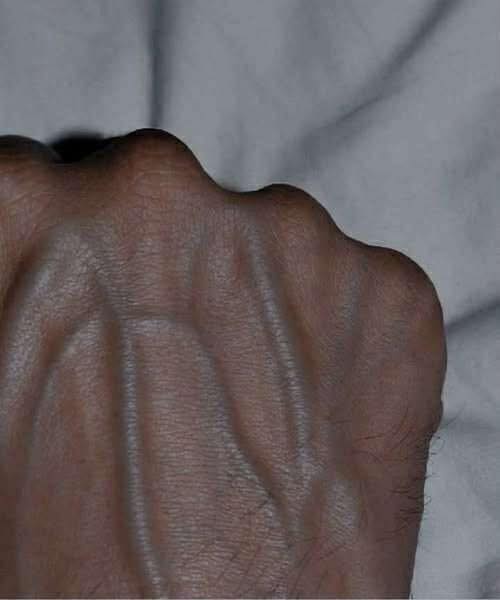

What Your Visible Veins Could Indicate: When It’s Normal and When to Be Concerned
Have you ever glanced at your hands or legs and noticed your veins suddenly standing out more than usual—almost as if they became visible overnight? For some, this is just a passing curiosity. For others, it prompts deeper inquiries: Is this a sign of improved health, a natural part of aging, or a warning of something more serious lurking beneath the surface?
Although noticeable veins are frequently dismissed as a cosmetic concern, health professionals warn that, in certain instances, they might be indicating underlying circulatory issues that deserve attention.
What Causes Veins to Become More Prominent?
Veins play an essential role in your circulatory system by transporting oxygen-depleted blood back to the heart. Unlike arteries, veins are thinner, situated closer to the skin’s surface, and are more susceptible to both external and internal factors. Various elements—such as age, genetics, exercise, and temperature—can affect their visibility.
Common (and Non-Threatening) Reasons for Prominent Veins
Low Body Fat: When there is less fat between the skin and the veins, it’s normal for them to be more visible. This is often seen in athletes, bodybuilders, or individuals who have lost weight quickly.
Aging Skin: As we grow older, our skin tends to become thinner and less elastic. This, combined with a decrease in fat, results in more noticeable veins.
Exercise and Fitness: During and after physical activity, increased blood flow causes veins to expand. This effect can be more significant and longer-lasting in physically fit individuals.
Heat and Warm Weather: In higher temperatures, veins widen to assist in cooling the body, making them more visible.
Genetics: For some individuals, the visibility of veins is simply a genetic trait. If your family has a history of prominent veins, you may also experience this regardless of your overall health.
When Visible Veins Might Indicate a Health Concern
In some instances, veins that suddenly become prominently visible could signify more than just a cosmetic issue. Various conditions that impact vein function or blood circulation might be responsible.
Chronic Venous Insufficiency (CVI): When the valves in the veins weaken or malfunction, blood can accumulate in the legs, resulting in swelling, a feeling of heaviness, and bulging veins that are easy to see.
Varicose Veins: These are enlarged and twisted veins that can be painful and are often associated with itching or changes in skin color.
Superficial Thrombophlebitis: This condition occurs when a small blood clot forms near the surface, leading to redness, tenderness, and a vein that feels firm and cord-like.
Deep Vein Thrombosis (DVT): This serious condition involves a blood clot forming in a deep vein, usually in the leg. Symptoms may include sudden swelling, pain, warmth, and redness. DVT is a medical emergency that requires immediate care.
Other Non-Serious Triggers
At times, temporary or hormonal shifts can cause veins to appear more prominent:
- Intense workouts or strength training
- Dehydration
- Hormonal changes (like pregnancy, menstruation, or menopause)
- Sudden weight loss
When to Consult a Doctor
If your veins suddenly become more noticeable without an obvious reason—or if you experience symptoms such as pain, swelling, warmth, or changes in your skin—it’s advisable to reach out to a healthcare professional.
These symptoms could indicate vascular issues that need medical attention.
Treatment and Management Options
For those who are feeling discomfort or looking for cosmetic enhancements, there are several strategies that may assist:
- Lifestyle Adjustments: Keep a healthy weight, stay active, elevate your legs, and avoid sitting or standing for long periods.
- Compression Stockings: These can enhance circulation and minimize swelling.
- Medical Treatments: Options include sclerotherapy (injections for veins), laser therapy, or surgical interventions for more serious cases.
Prevention and Everyday Tips
- Stay well-hydrated
- Move around regularly during long journeys or while working at a desk
- Avoid smoking
- Consume a balanced, nutrient-rich diet
The Emotional and Aesthetic Side
Visible veins can have different meanings for different individuals. For athletes, they may represent strength and fitness. For others, they could be a cause of insecurity. Nevertheless, there are ways to address both the health aspects and the appearance of noticeable veins.
Conclusion
In most instances, visible veins are harmless—associated with age, genetics, or physical fitness. However, they can sometimes indicate more serious circulatory issues like venous insufficiency or blood clots. Understanding the distinction between normal changes and warning signs can empower you to make informed health choices. When uncertain, seek medical guidance. Your veins are more than just skin-deep—they reflect your body’s circulatory health and overall wellness.
Please SHARE this article with your family and friends on Facebook.
